Profile
About Me
I composite for feature film and episodic.
Based in Italy, mostly remote, with teams
in the UK and Ireland.
How I got here
There was no single moment when I decided to do this. At IED in Milan I studied every stage of production, and the more I understood about how a film gets made, the more compositing looked like the place where the things I cared about ended up. The technical side, the eye, the pleasure of solving something. I liked the idea of taking incomplete images, shot on different days in different places, and turning them into one scene where nobody notices the work.
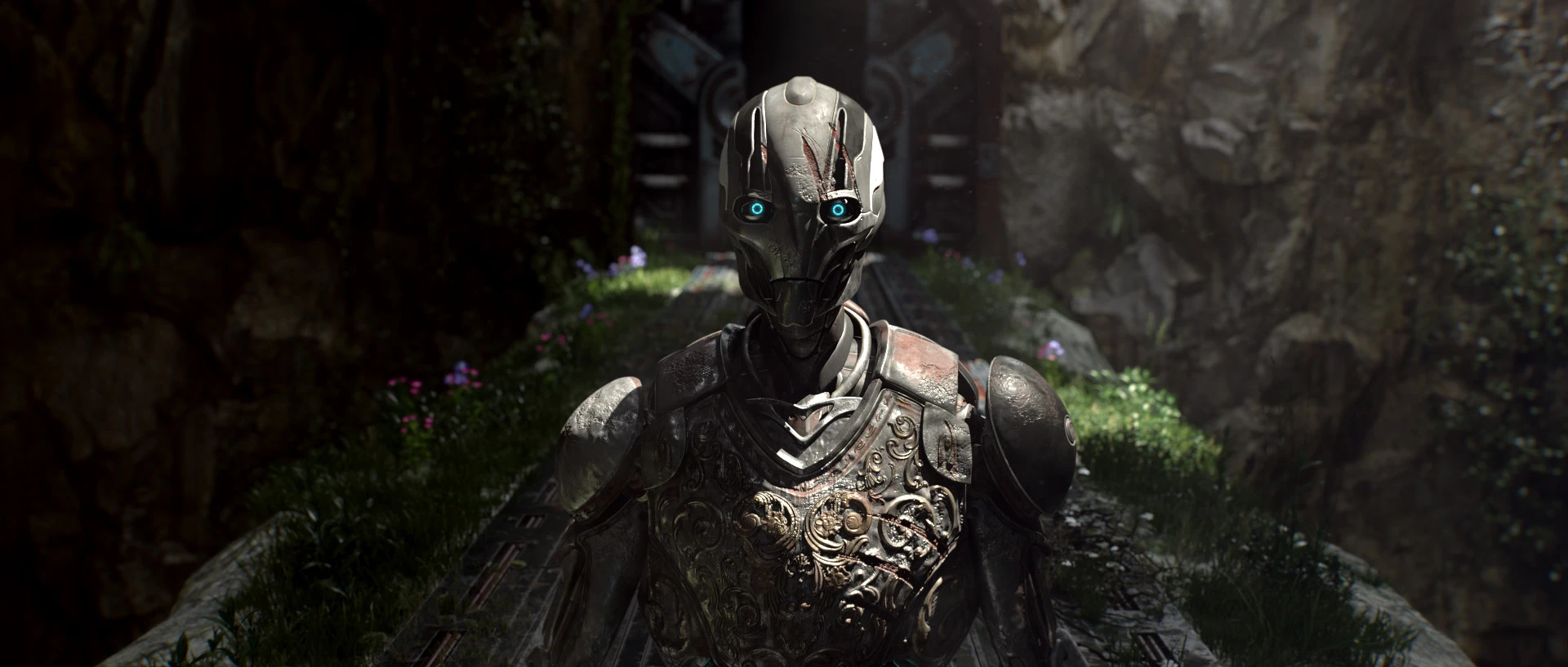
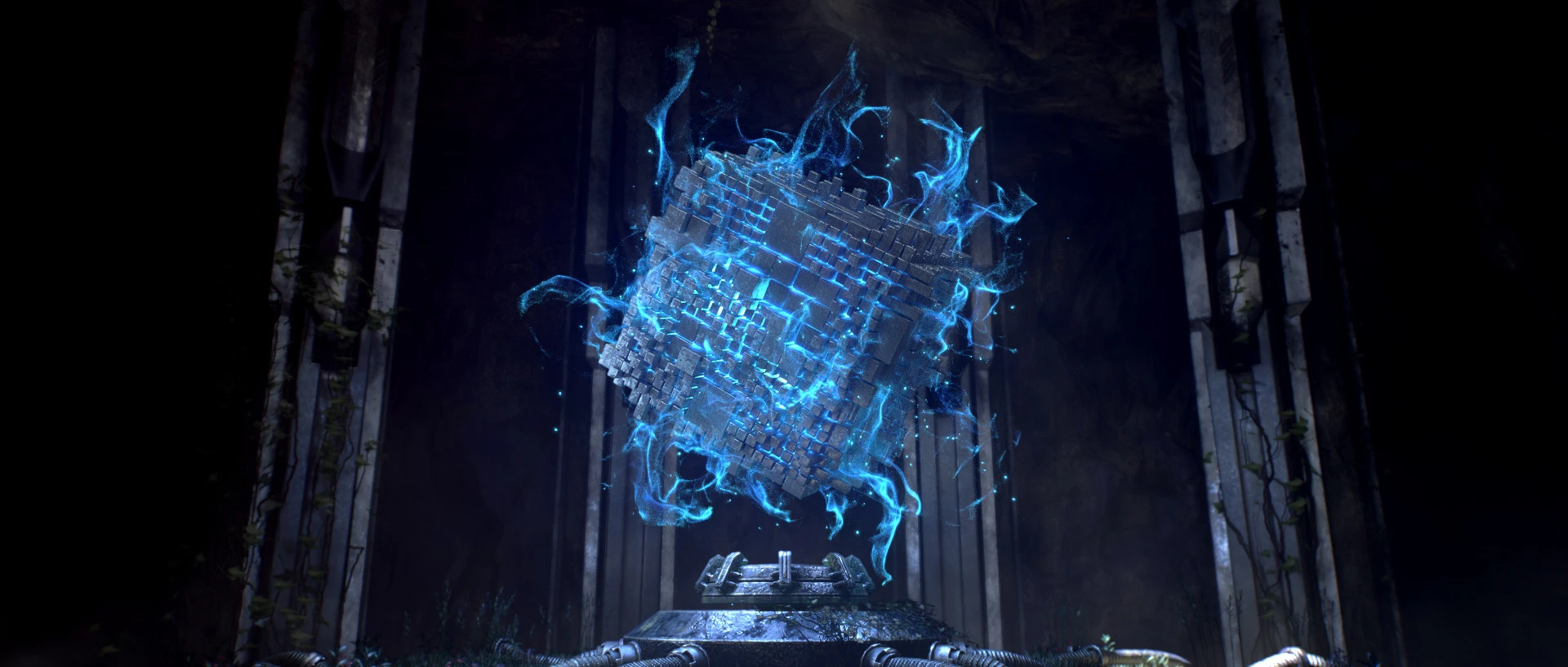
I started in Milan, in a studio where everyone did a bit of everything, and I owe that place a great deal. It is where I learned how a production actually runs, with deadlines and priorities that keep moving, and where I became practical about handling shots. Starting out close to every stage of the work taught me things a narrower role would not have.
Then I moved to London and worked at MPC, Framestore and Cinesite. That is where I found out what a structured pipeline really means, with strict standards, specialised departments and a shot that passes through many hands before it is finished. It changes how you work and it changes how you talk about the work.
In the years after that I moved between London, Dublin, Cambridge and Milan, mostly remote once covid arrived. The shift that mattered happened at Framestore. I stopped simply working through notes and started taking responsibility for the shots I was given. Working out where the real problem sits, choosing an approach, carrying it through, and saying early when something needs more days or another department.
-
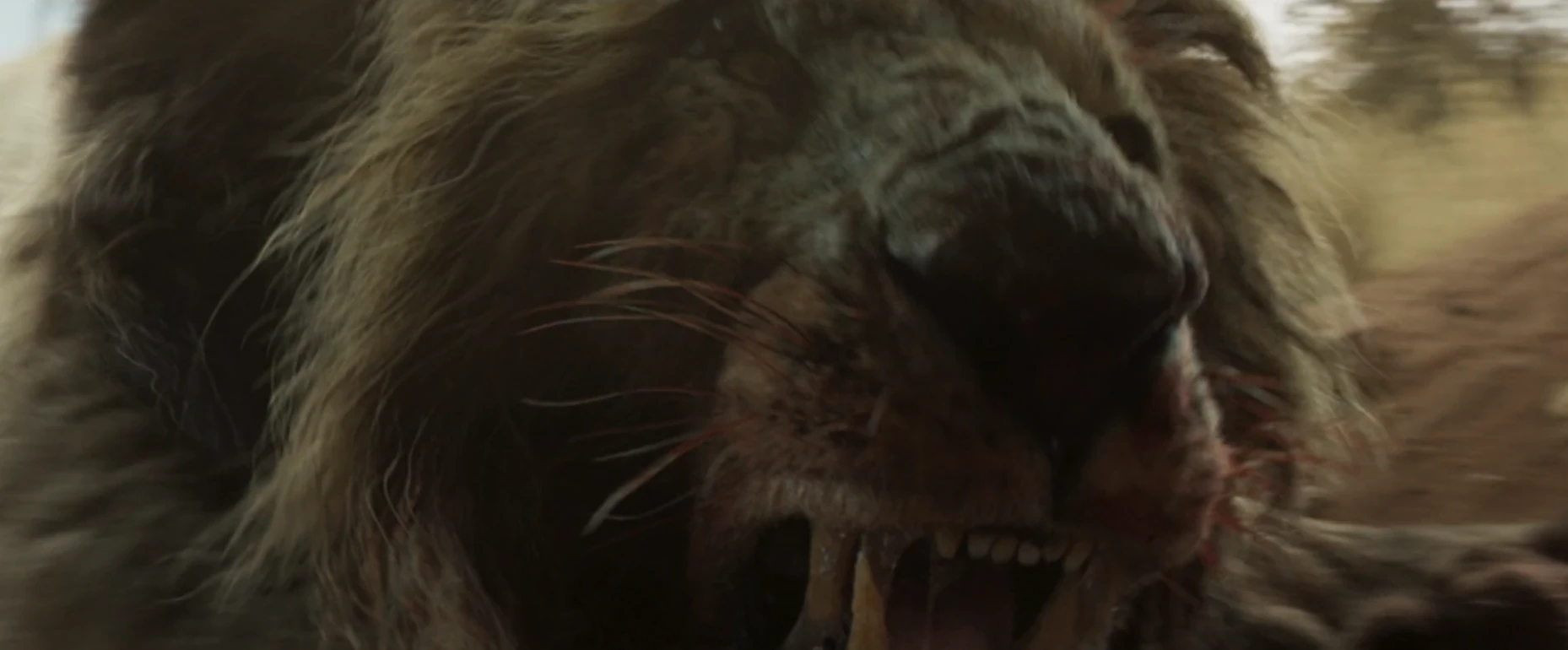
Beast · Framestore
-
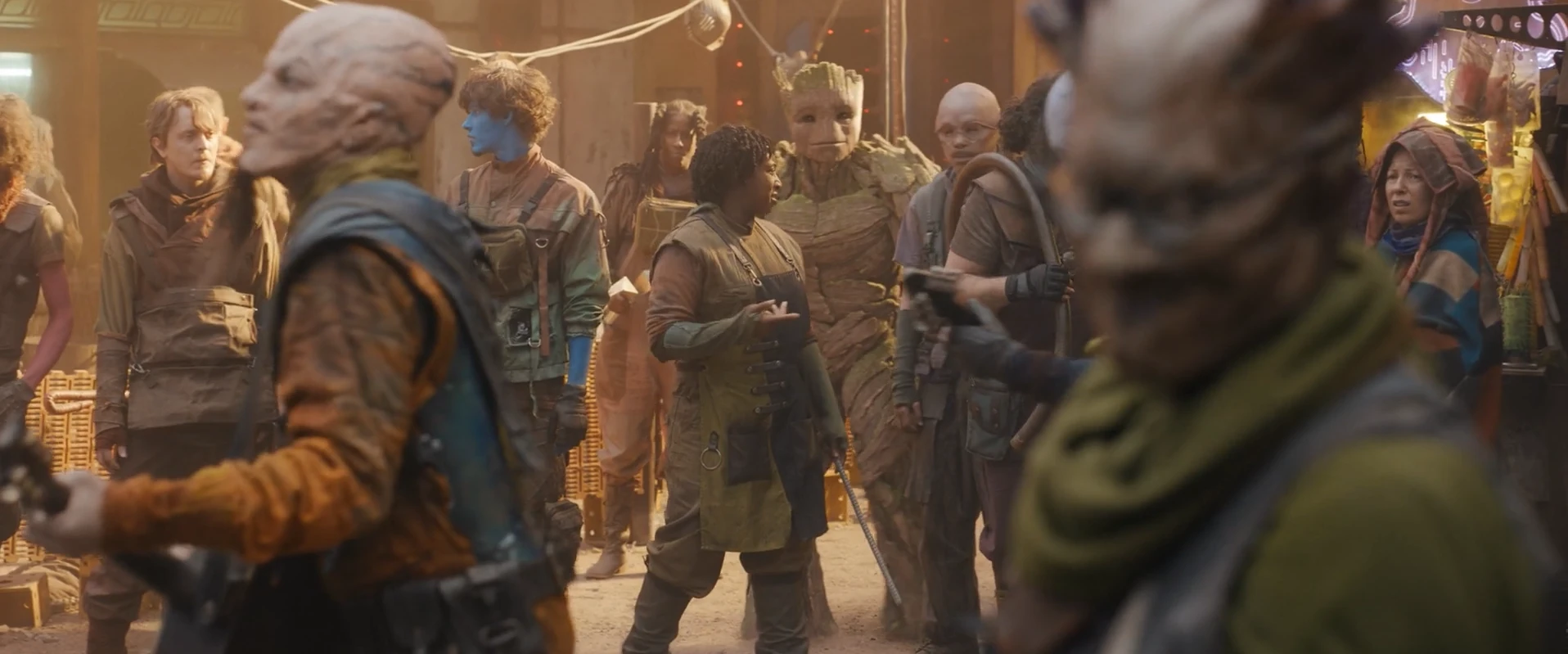
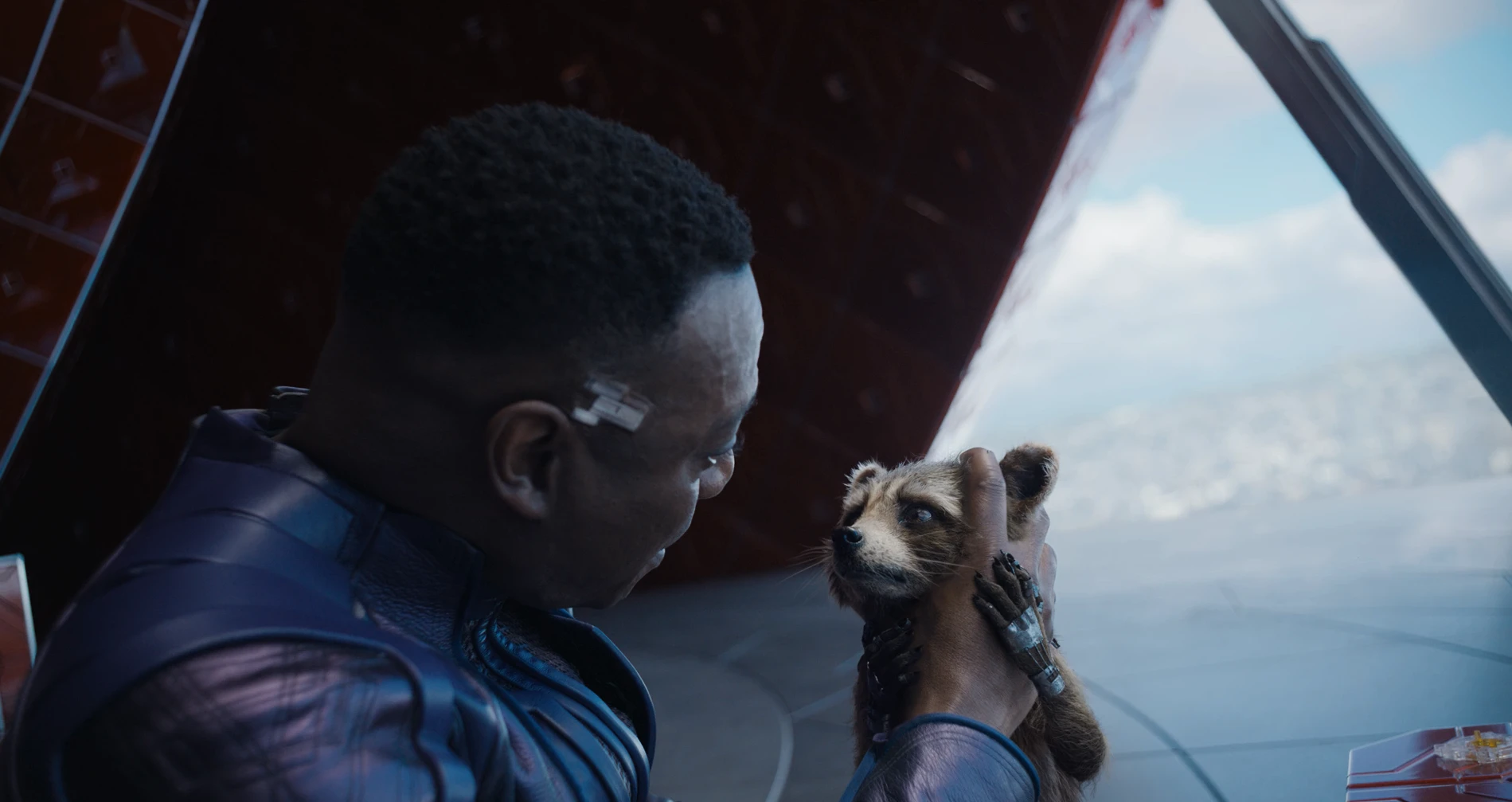
GOTG Holiday Special · Framestore
-
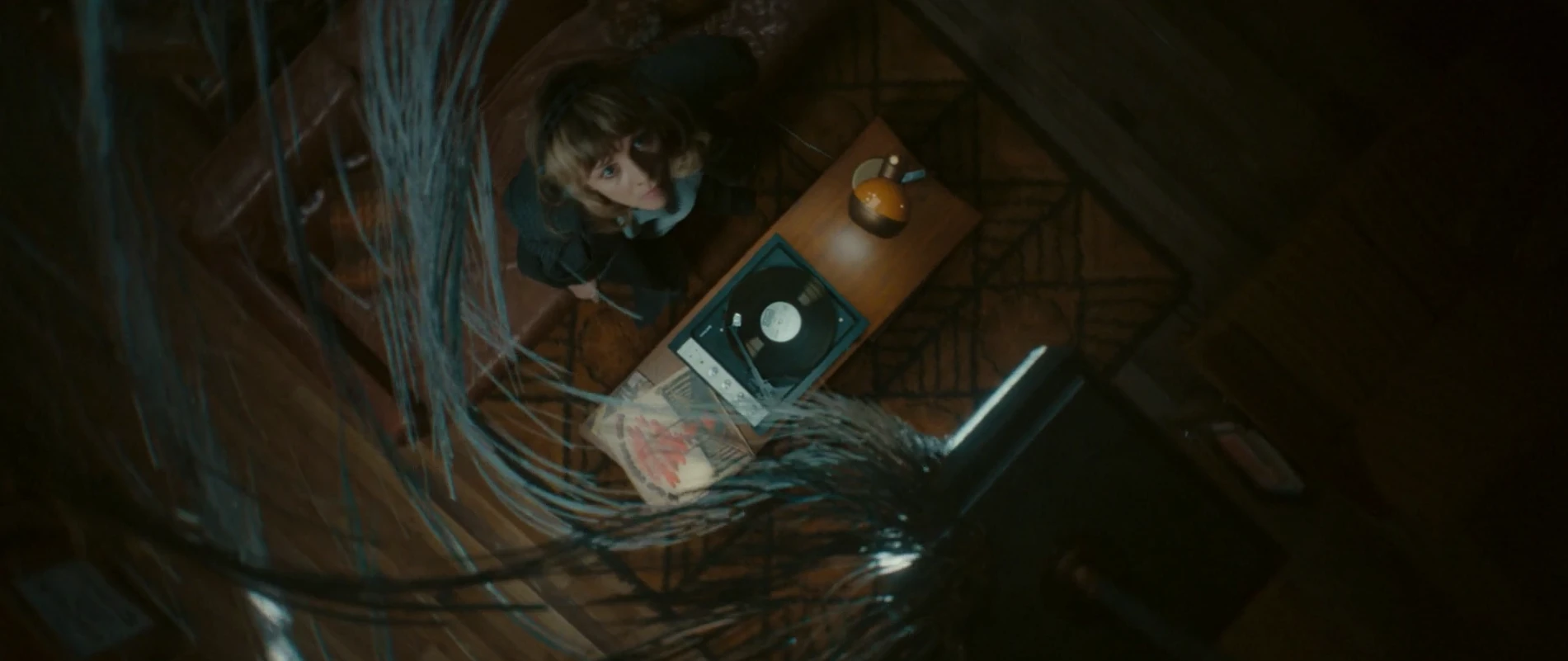
Loki S2 · Framestore
-
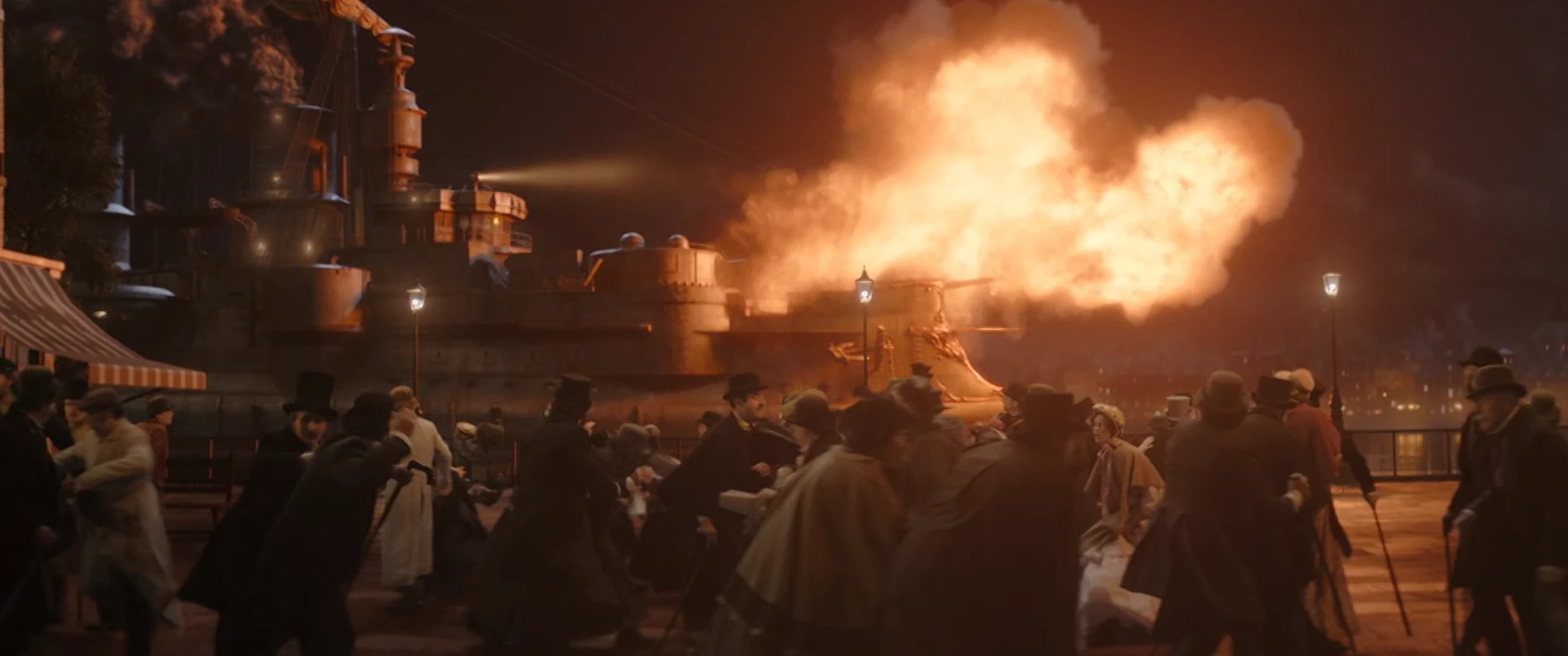
Nautilus · Cinesite
How I work
That is the work I am best suited to. I like difficult shots, the ones that do not resolve on the first attempt and are worth thinking about before opening Nuke. CG integration, set extension, long cleanups, reconstructions, images made of twenty elements that have to look like one photograph. The part I enjoy most is finding where the problem actually is, whether in the plate, the tracking, the renders, the light or the edges.
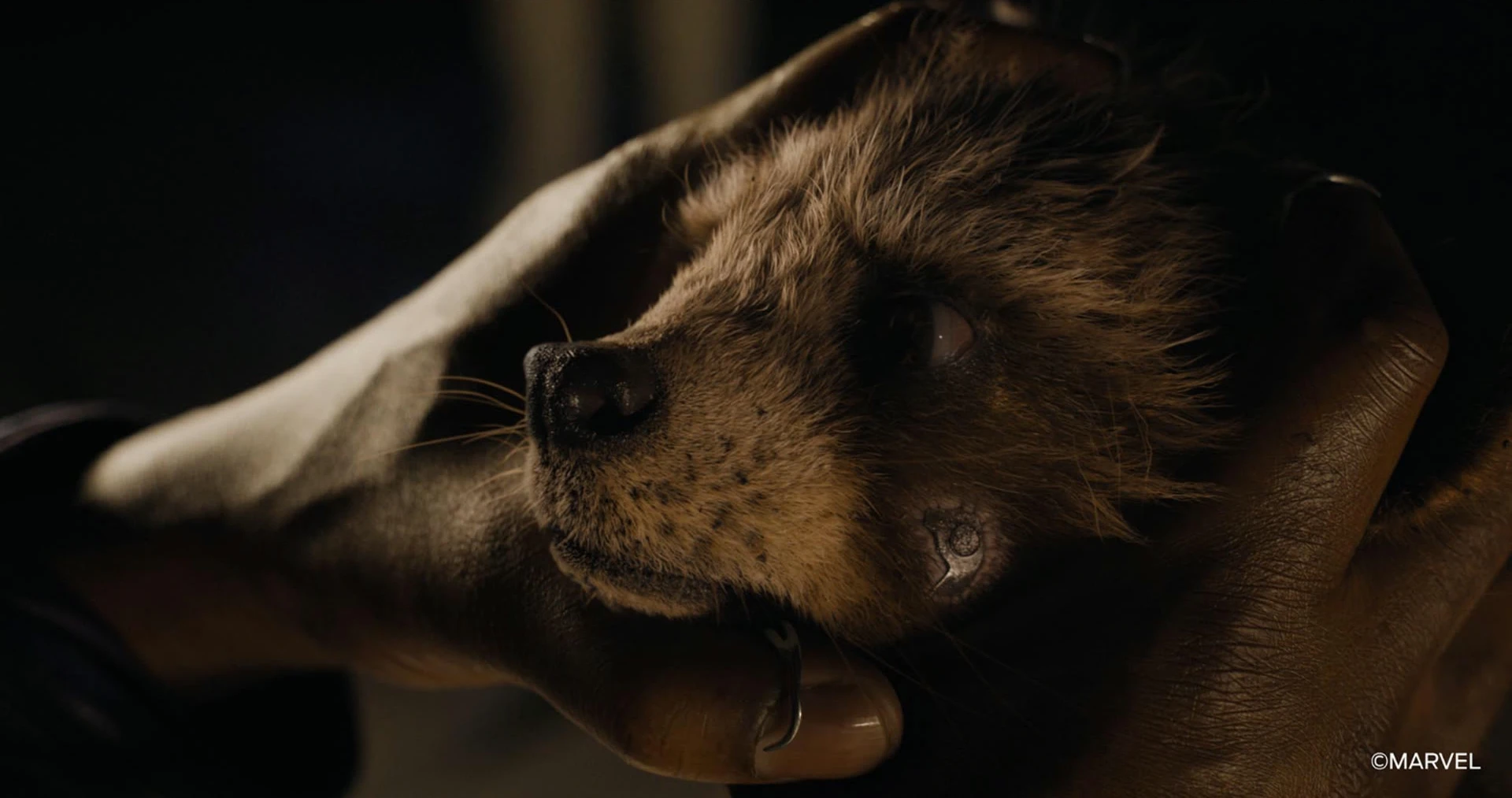
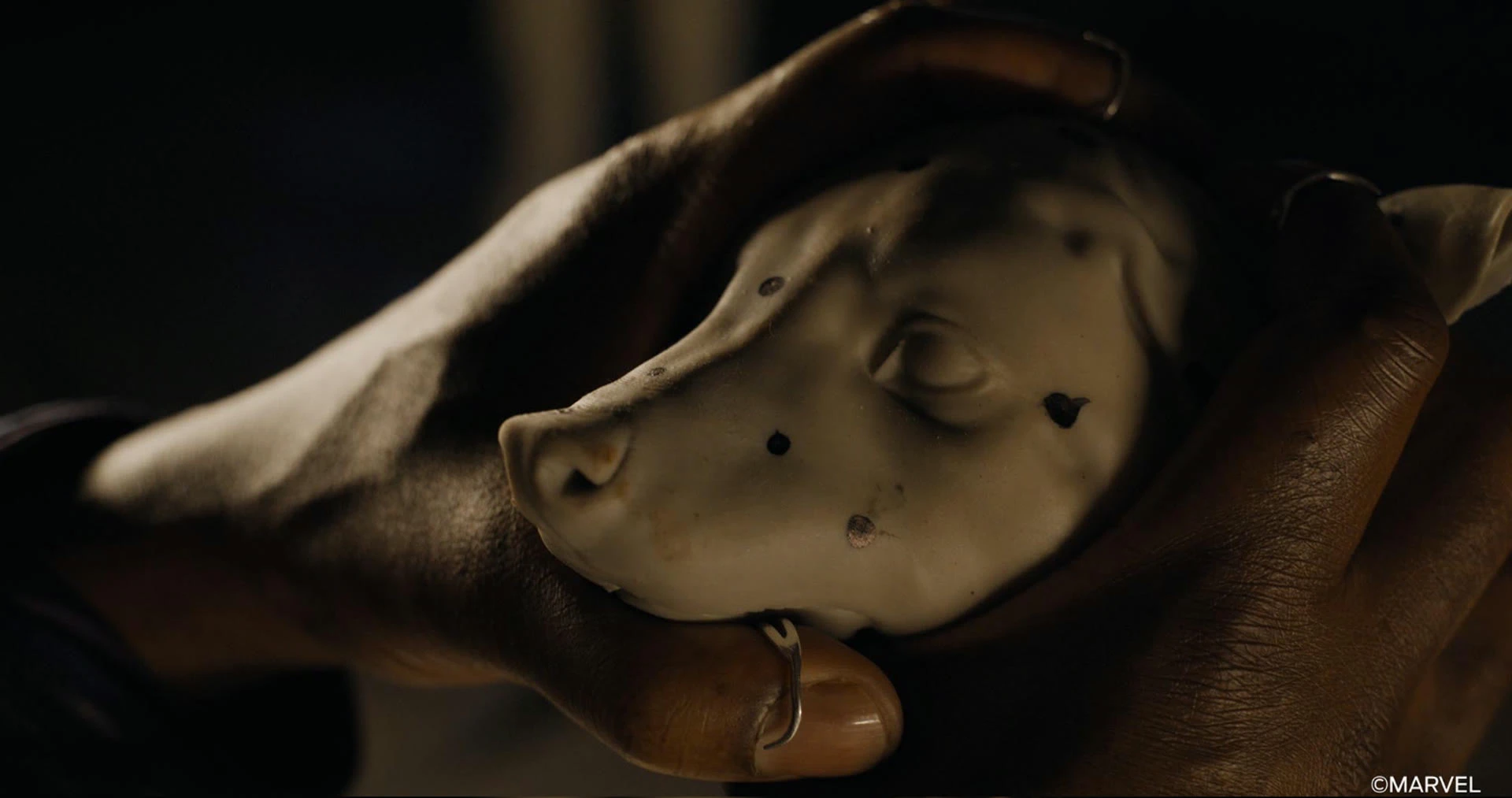
I work in a fairly orderly way. First I look at what can break or cost days, then I build the script so it stays readable after ten rounds of notes, because someone else usually ends up in there. If something is wrong I say so early, to the supervisor and to production, ideally with a proposal in hand. Waiting for a difficulty to become an emergency has never helped anyone. When a delivery gets tight I adapt to whatever the situation needs, and I work well under pressure without letting the standard drop.
Working remotely, I give communication more weight than I would on site. I keep supervisors and coordinators up to date, flag risks early and try not to leave shots in a grey area. I like talking things through with other artists, particularly on a sequence with several people on it, where the consistency has to be held together by somebody.
Tools and pipeline
My main tool is Nuke, for 2D and 3D compositing, CG integration, deep, keying, cleanup, paint and finishing. I also use Mocha and Silhouette, work on Linux, with pipelines on Flow or ftrack and farm rendering through Deadline. Knowing the rest of the pipeline is mostly useful for talking to the 3D departments and describing precisely what is wrong with a render.
Where I am now
I am carrying on with feature and episodic work, looking for shots and sequences that ask for some independence. Short projects are no problem either, commercials included, and I am flexible about how a job is set up. I work from Italy, mostly remotely, and have spent years with international teams. Italian is my first language and my English is professional. Dates, studios and shows are in the freelance Nuke compositor CV.